
















Energy and Deforestation Crisis
Problem: Over 90% of households depend on firewood as their main source of cooking energy. Participants reported severe scarcity of firewood due to rapid deforestation, population pressure, and land degradation.
This has led to multiple interlinked problems:
•
Women and girls walking long distances to collect firewood, exposing them to sexual violence, harassment, and exhaustion due to hard labor.
•
Delayed meal preparation resulting in domestic conflict and gender-based violence.
•
Increased school absenteeism among girls who spend long hours collecting firewood.
•
Accelerated deforestation and carbon emissions, worsening the local climate crisis.
Community-driven solution:
•
Introduce an energy-saving cooking technologies project promoting clean cook stoves and briquette production.
•
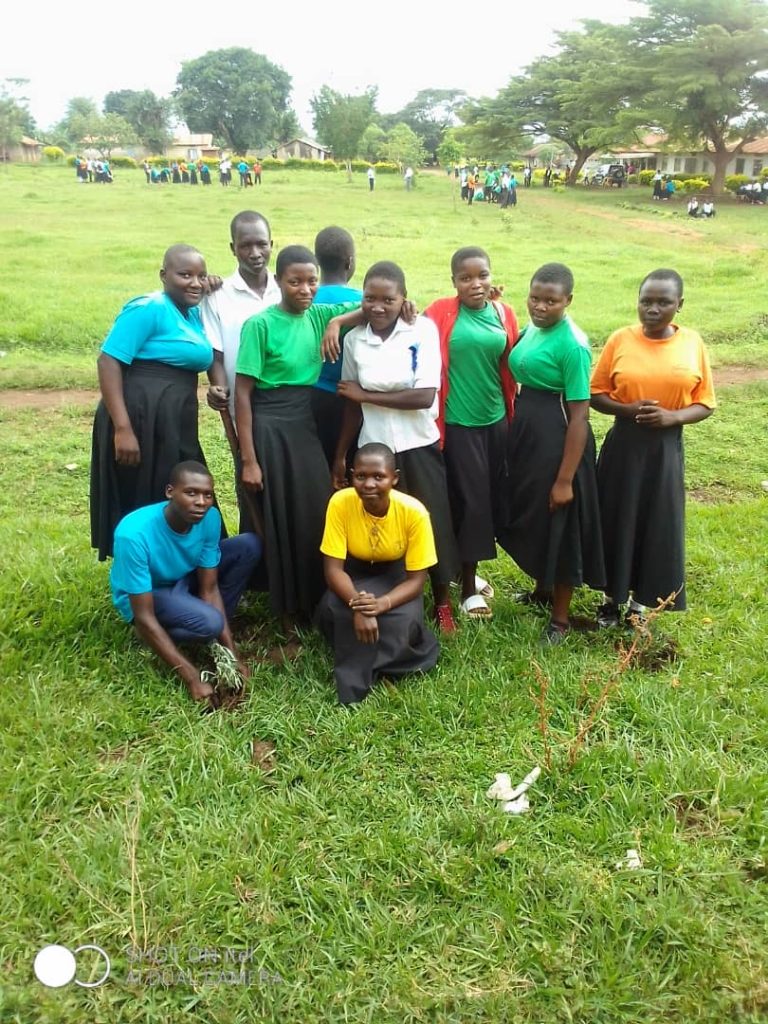
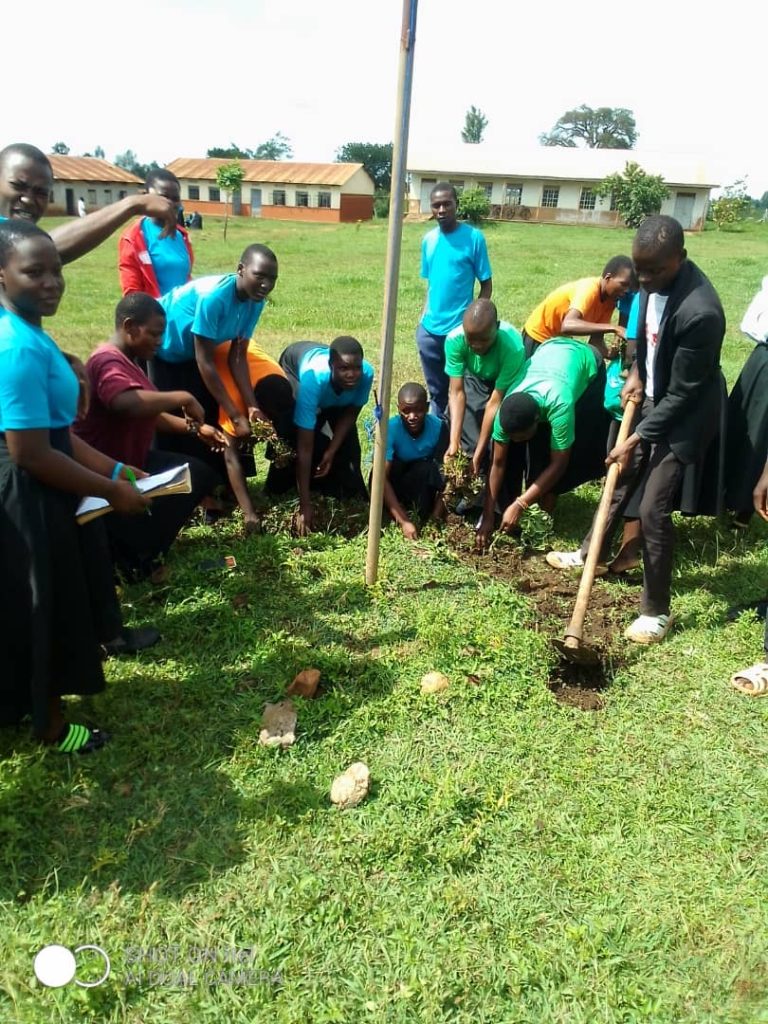
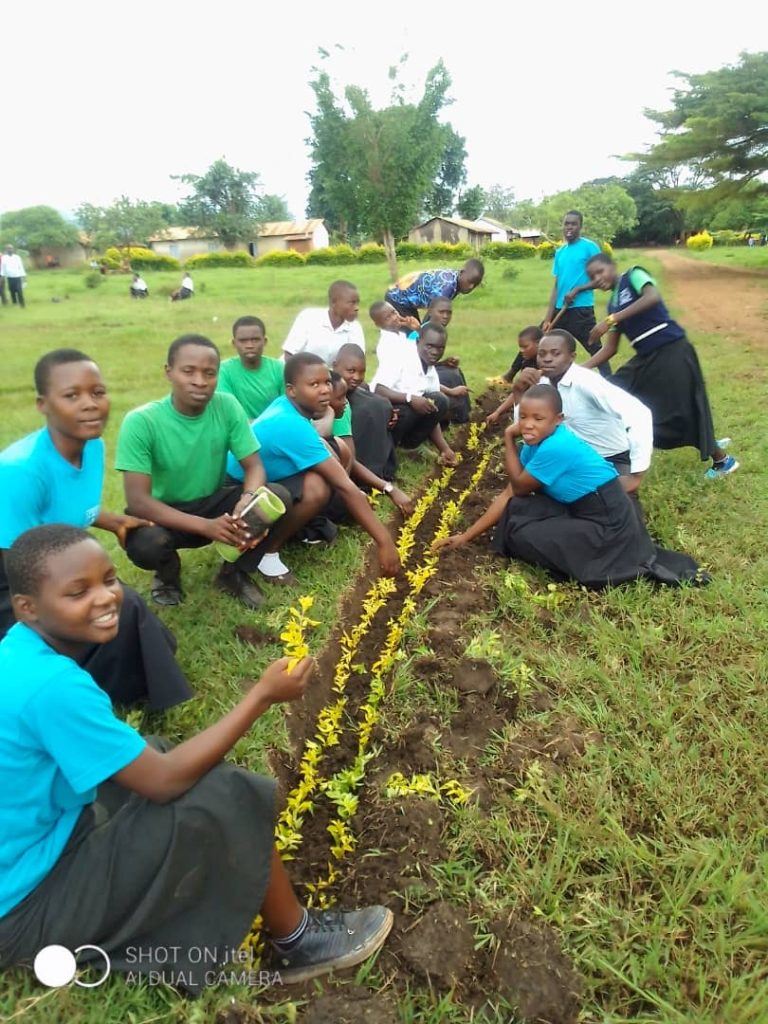
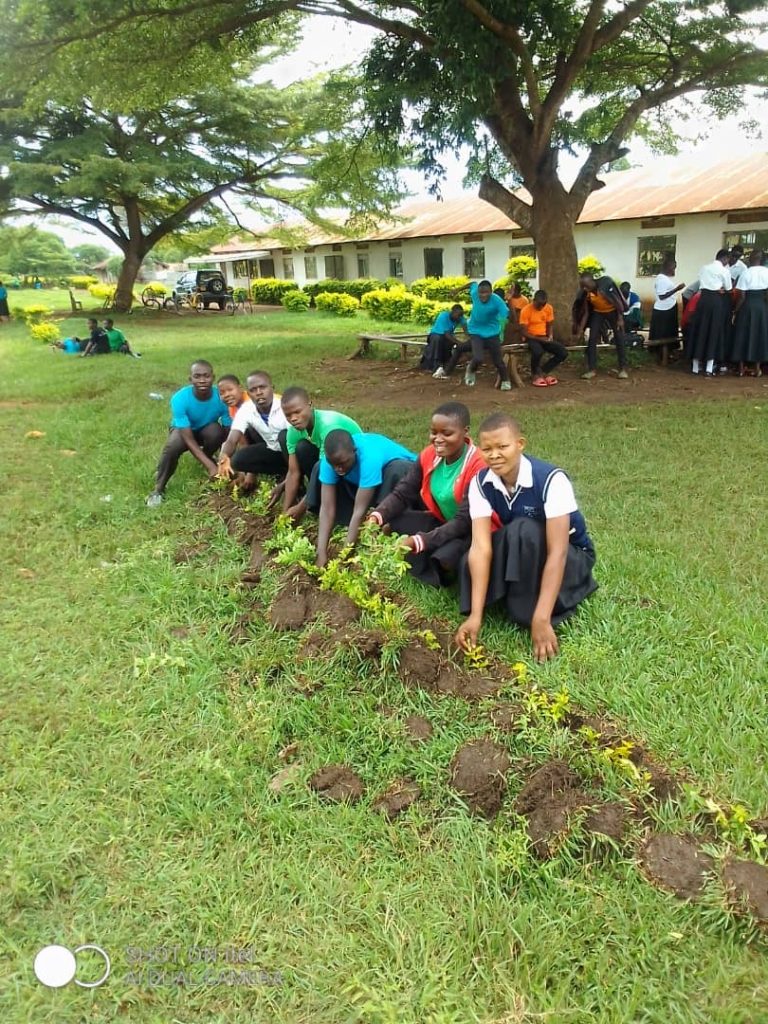
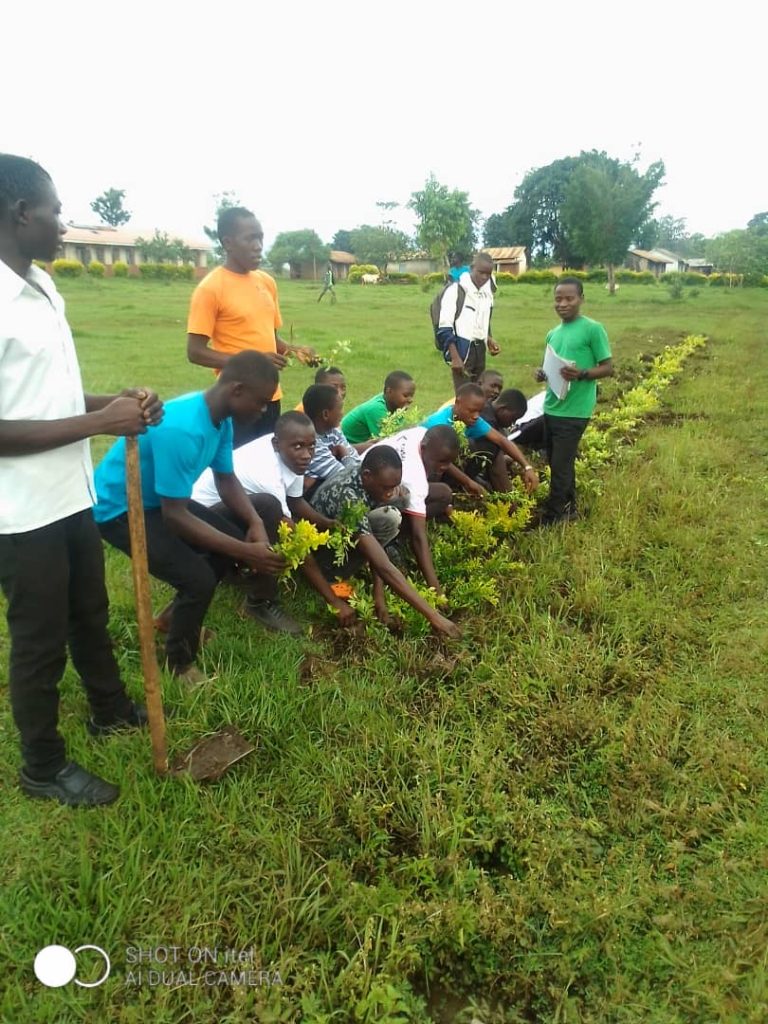
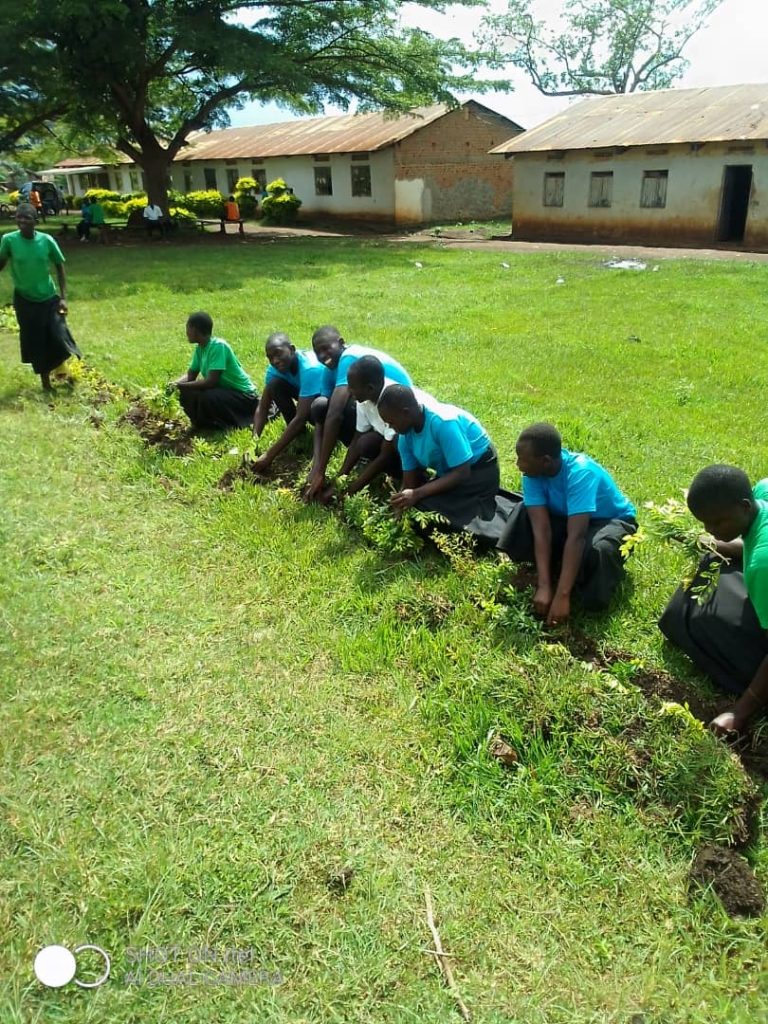
Establish tree nurseries for reforestation and agroforestry integration.
•
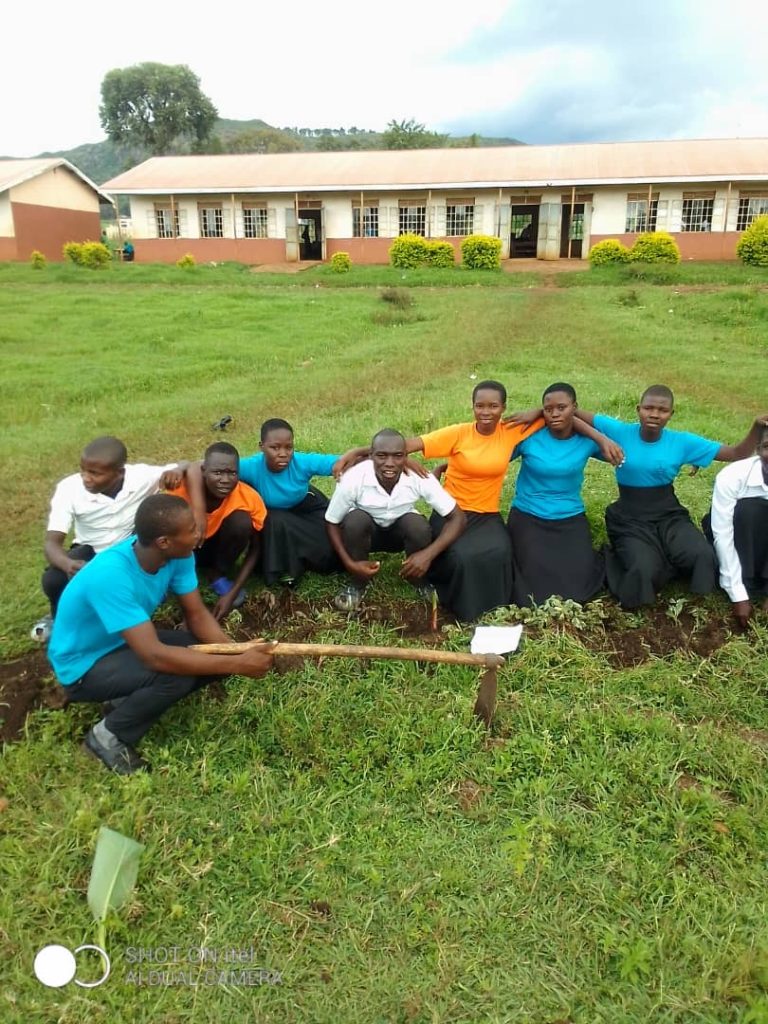
Launch school-based environmental education campaigns to instill sustainable energy practices and climate change among pupils.
Limited Access to Safe Water
Problem: Most households lack access to safe and clean water, relying on unprotected springs and contaminated sources. Waterborne diseases are common, and women and girls bear the burden of walking long distances to fetch water, exposing them to health and safety risks like sexual abuse and gender-based violence.
Community-driven solution:
•
Implement a safe water for all Project constructing and rehabilitating protected water points and installing rainwater harvesting systems in schools and community centers.
•
Promote community-led water governance, sanitation and hygiene awareness to ensure sustainability.
Declining Agricultural Productivity and Food Insecurity
Problem: Erratic rainfall patterns, poor-quality seeds, and pest infestations have led to reduced crop yields and food insecurity. Most families practice subsistence farming and lack access to extension services, climate-resilient seeds, or pest control inputs.
Community-driven solution:
•
Launch a climate-Smart Agriculture Project to supply high-quality, drought-resistant seeds and training on sustainable farming practices.
•
Establish community demonstration farms and engage local youth as agricultural extension champions.
•
Support access to bio pesticides and eco-friendly pest management techniques.
Poverty and Lack of Financial Inclusion
Problem: High poverty levels, especially among women-headed households, limit access to farm inputs, education, and health services. Many families depend on unpredictable agricultural income and lack access to formal credit systems.
Community-driven solution:
•
Establish a women-led community village saving and loan group to promote financial inclusion, literacy, savings culture, and access to micro-loans for green enterprises.
•
Strengthen women’s leadership in community economic decision-making and link them to financial literacy training.
Climate Change, Landslides, and Environmental Degradation
Problem: The steep topography of Bumasifwa Sub-county makes it prone to landslides and soil erosion, especially during heavy rains. These disasters destroy homes, water sources, and farmlands, displacing families, undermining livelihoods and sometimes death of some people.
Community-driven solution:
•
Implement a community climate resilience and reforestation project promoting terracing, replanting of indigenous trees, and soil conservation.
•
Integrate indigenous knowledge with modern adaptation techniques.
•
Establish environmental clubs in schools to champion climate change adoption like tree planting and environmental conservation.