
















FSE COMMUNITY REPORT

Community situation analysis and recommended priority projects

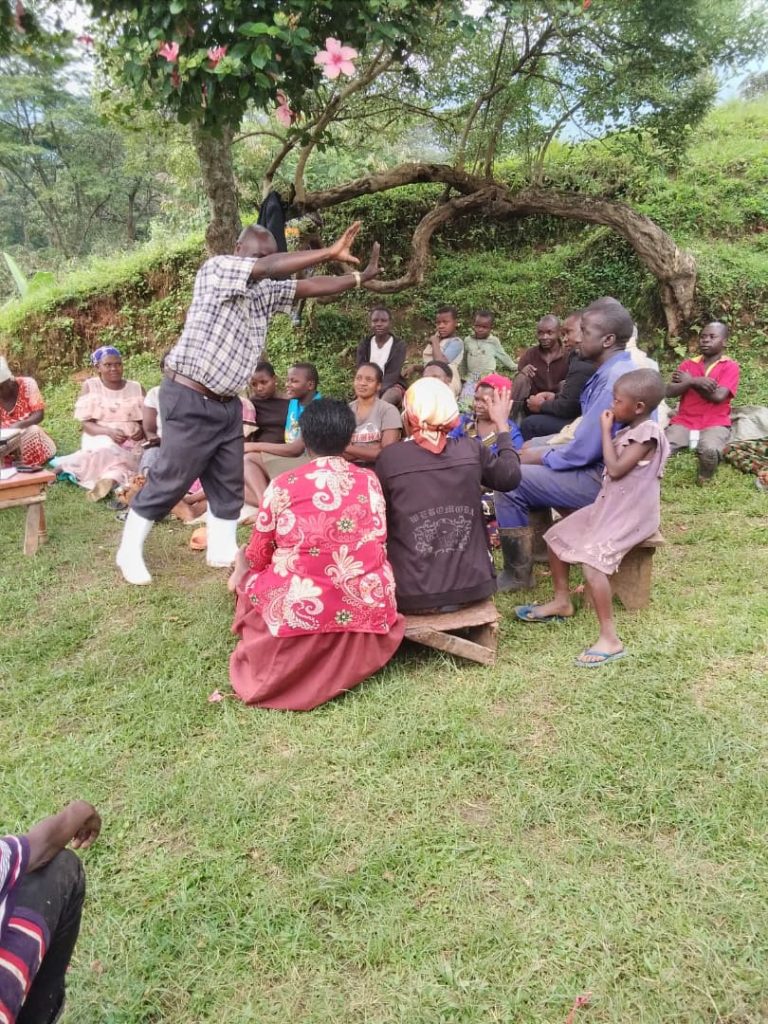
Report from Community Dialogue Meeting

๐Ÿ”นDate: Sunday, 26th October 2025

๐Ÿ”นTime: 2:30 PM โ€“ 5:00 PM (EAT)

๐Ÿ”นVenue: Board Chairmanโ€™s compound, Bunamahande Parish, Bumasifwa Sub-county, Sironko District

Introduction

This community dialogue meeting was convened by the Foundation for Sustainable Environment (FSE) to identify and analyze key environmental, climate change crisis and socio-economic challenges affecting households in Bunamahande Parish, with a view to co-creating community-driven solutions aligned with FSEโ€™s core mandate of climate action, environmental conservation, and sustainable livelihoods.

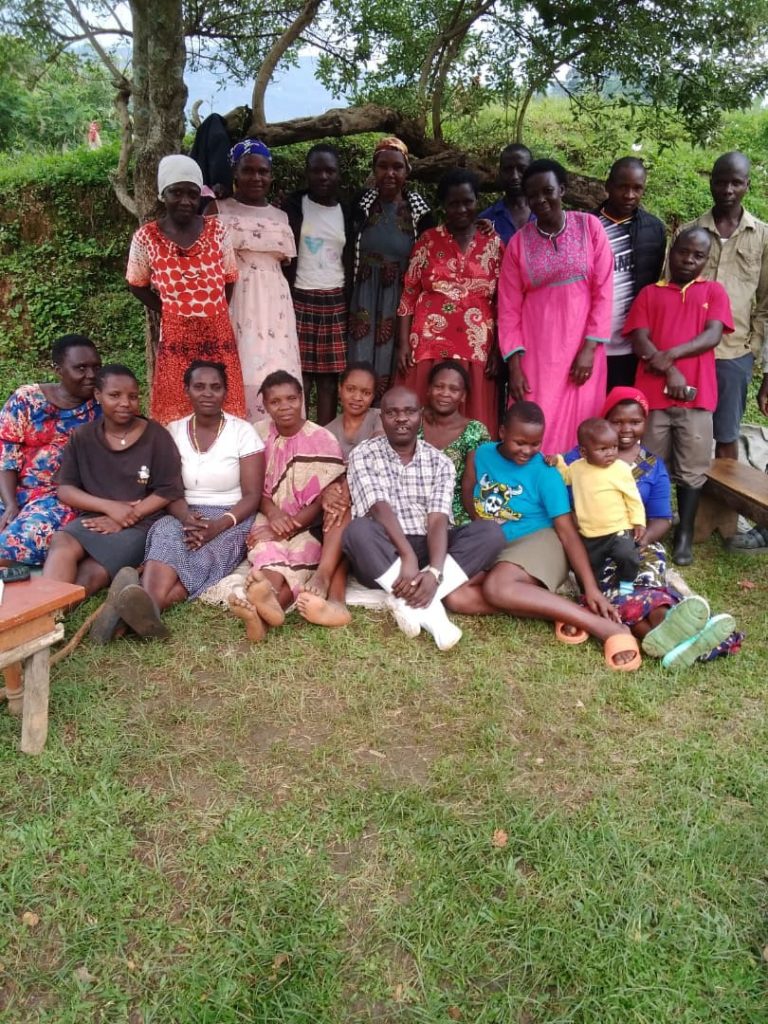
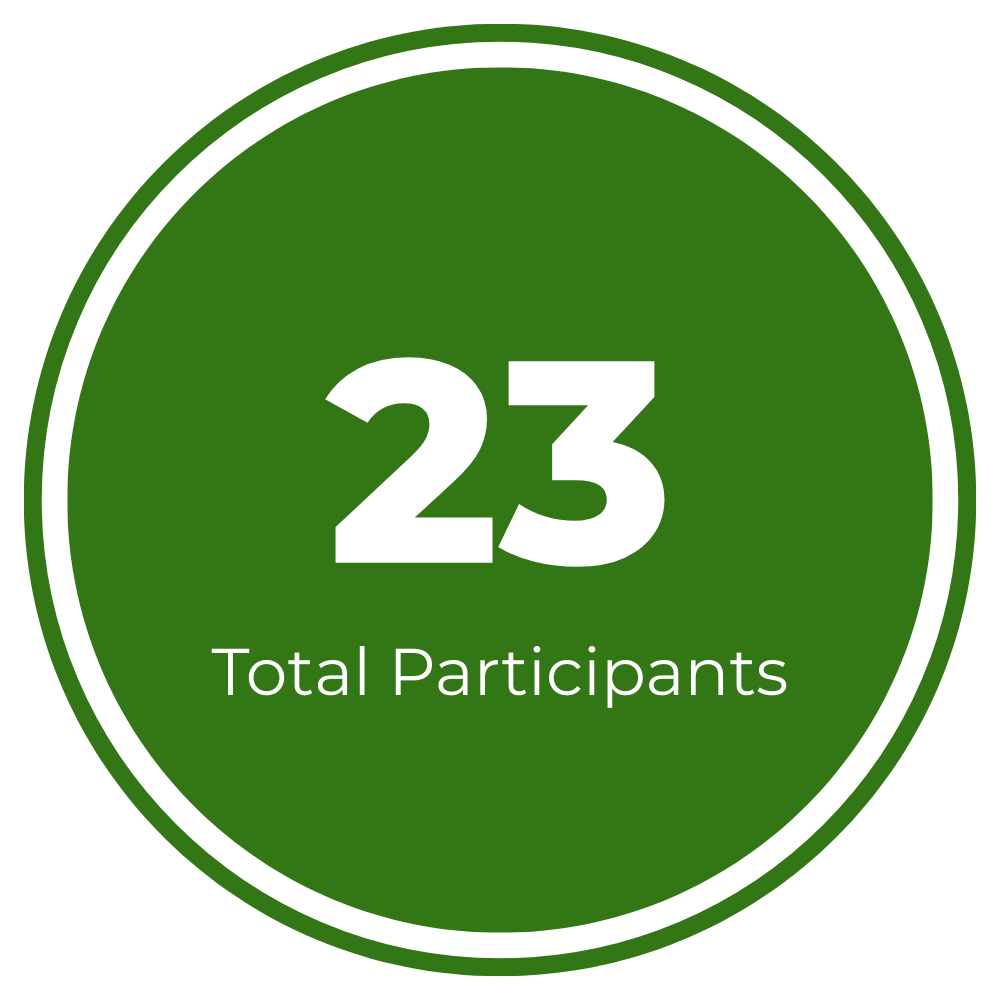
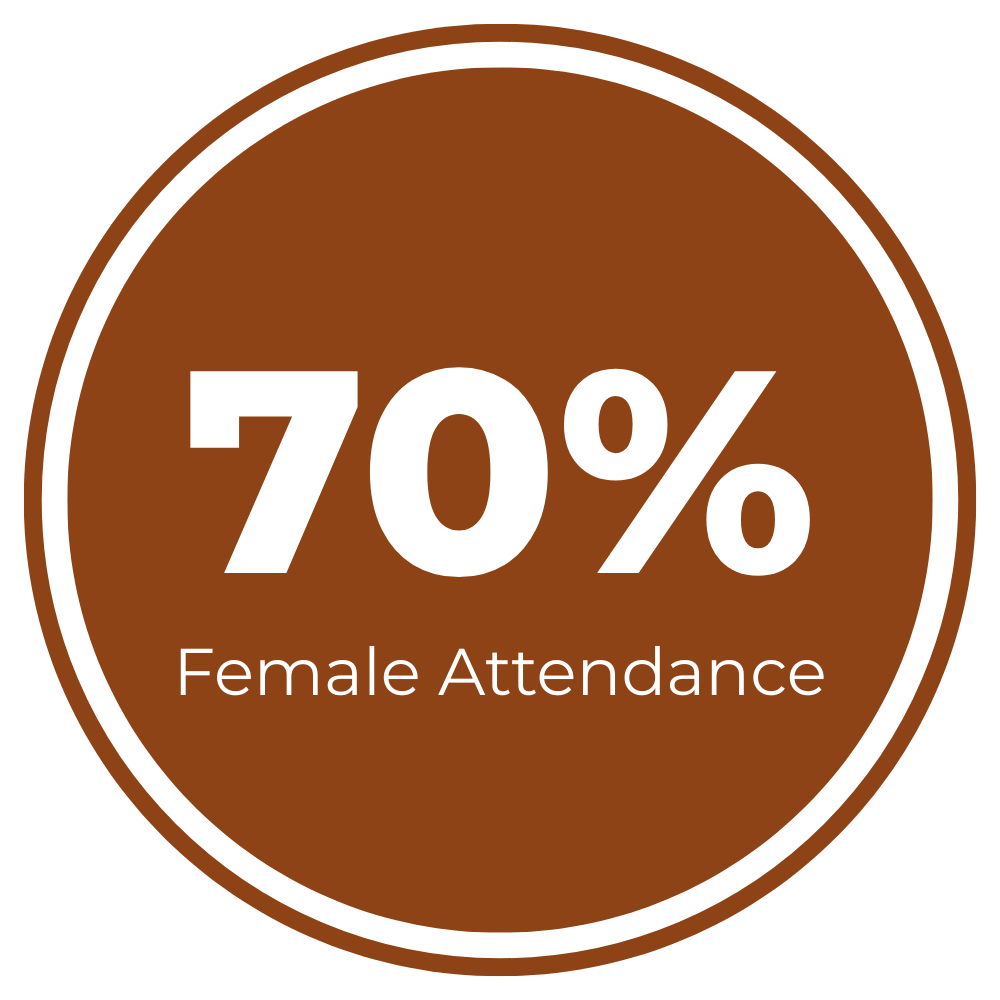
The session brought together 23 participants (16 women and 7 men) representing diverse community categories, including women, young girls, youth, persons with disabilities, elders, school-age children, and local leaders. The high female turnout (70%) reflects the communityโ€™s recognition of women as primary environmental stewards and frontline responders to climate change impacts.

Background of the Foundation for Sustainable Environment (FSE)

Established in 2020 by indigenous women in Bunamahande community, the Foundation for Sustainable Environment (FSE) is a non-profit, community-rooted civil society organization dedicated to empowering sustainable communities to address climate change, conserve biodiversity, and promote social and gender equity.

FSEโ€™s mission is to empower communities to make informed environmental decisions, leverage indigenous knowledge, and pursue equitable access to resources and opportunities. Its vision isย  “A sustainable environment for present and future generations.”

The organization currently reaches over 200 community members across Bumasifwa Sub-county and collaborates with local leaders, schools, and district environmental officers under the guidance of the National Environment Authority (NEMA).

FSEโ€™s ongoing interventions include:

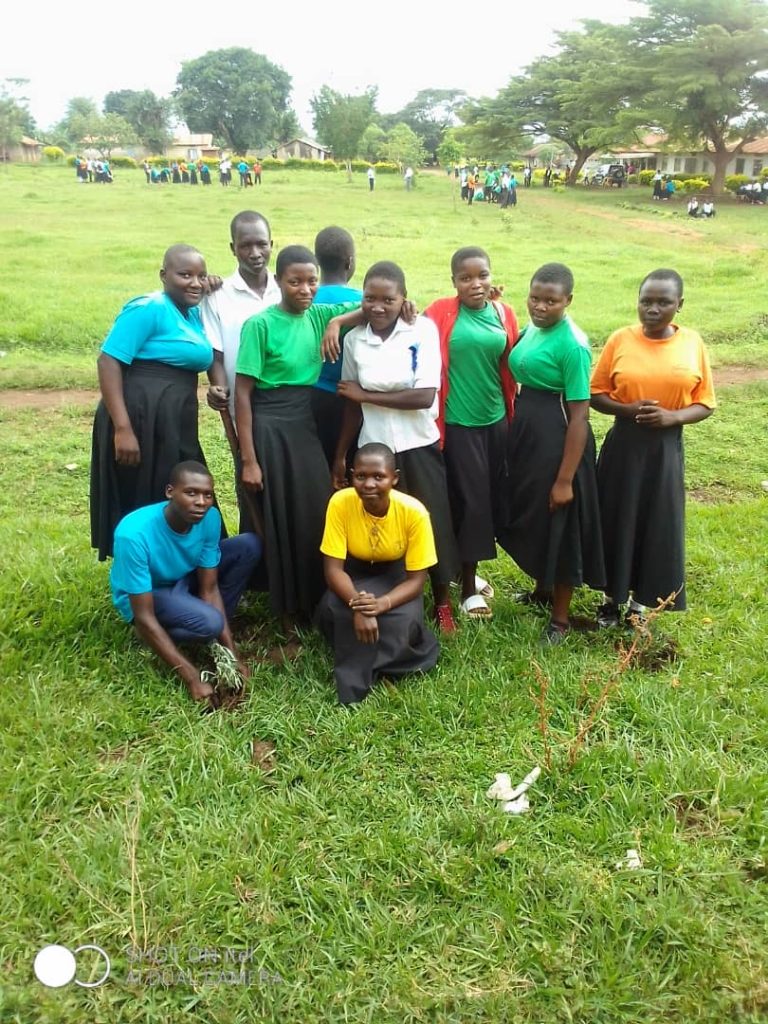
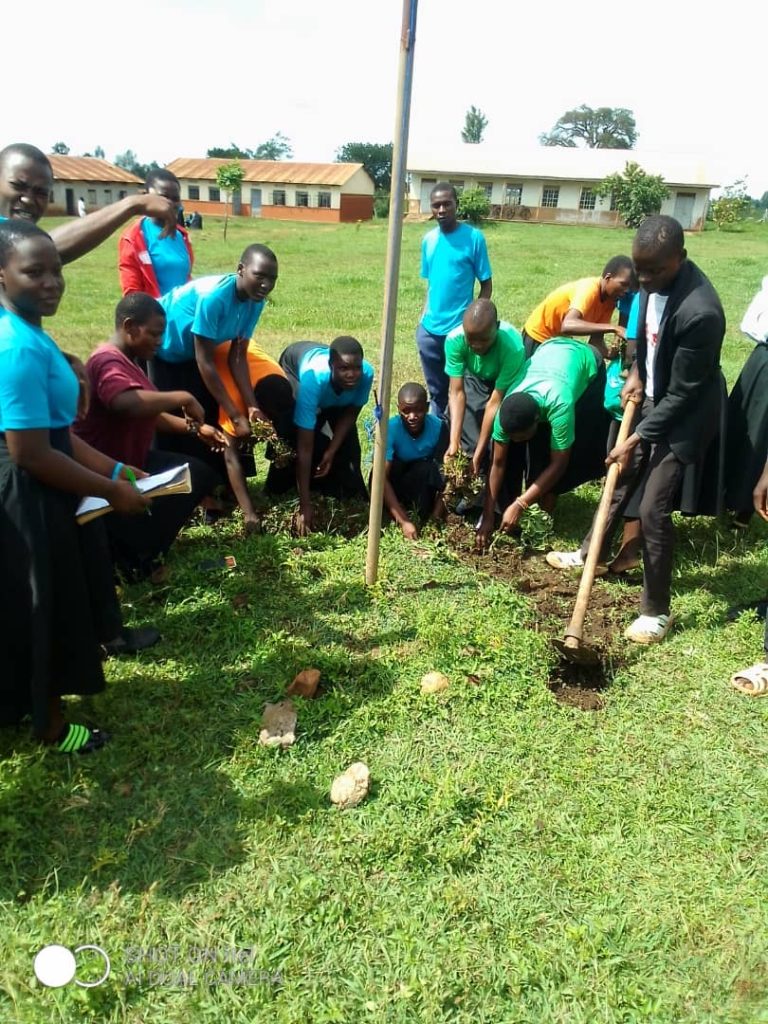
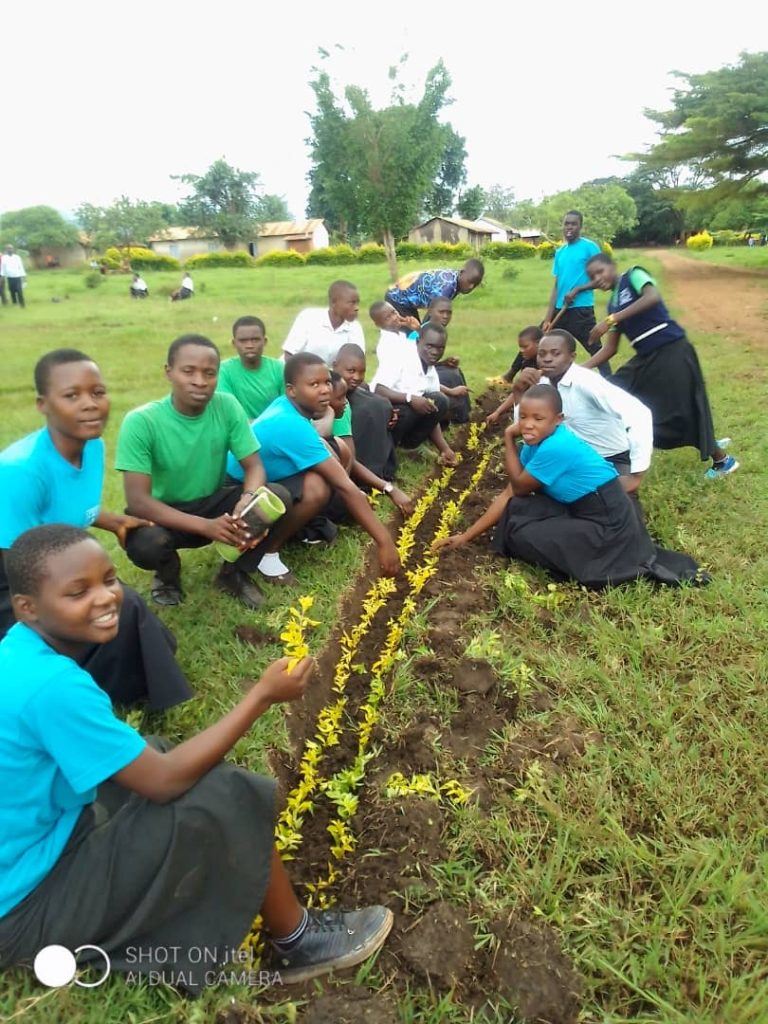
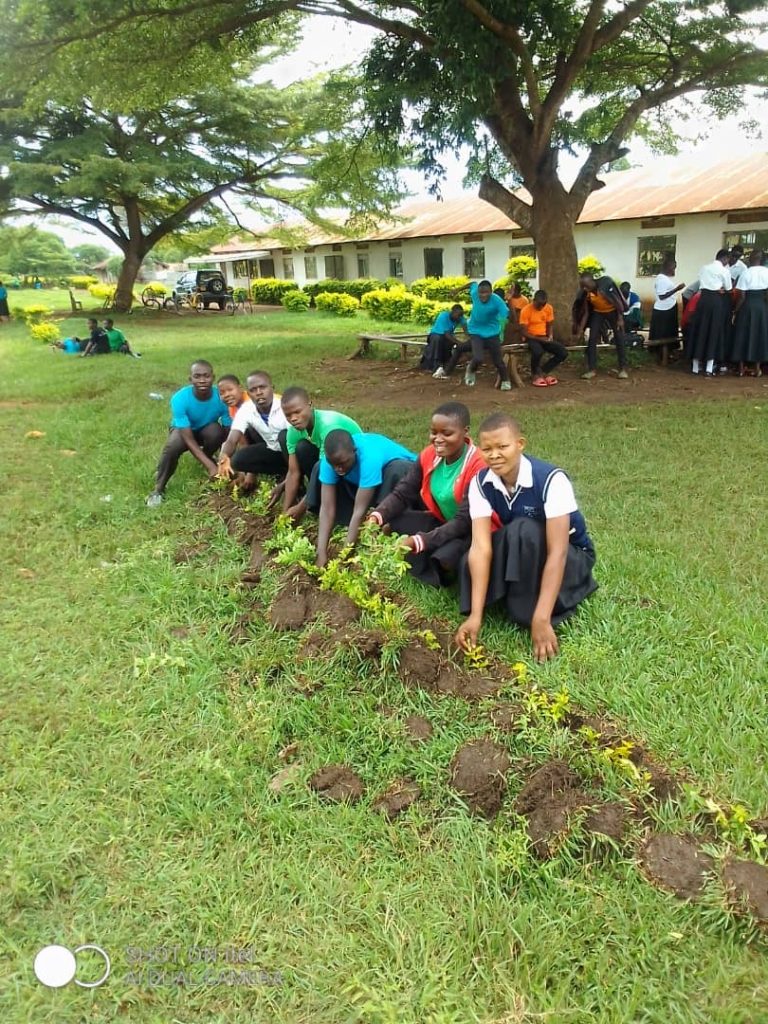
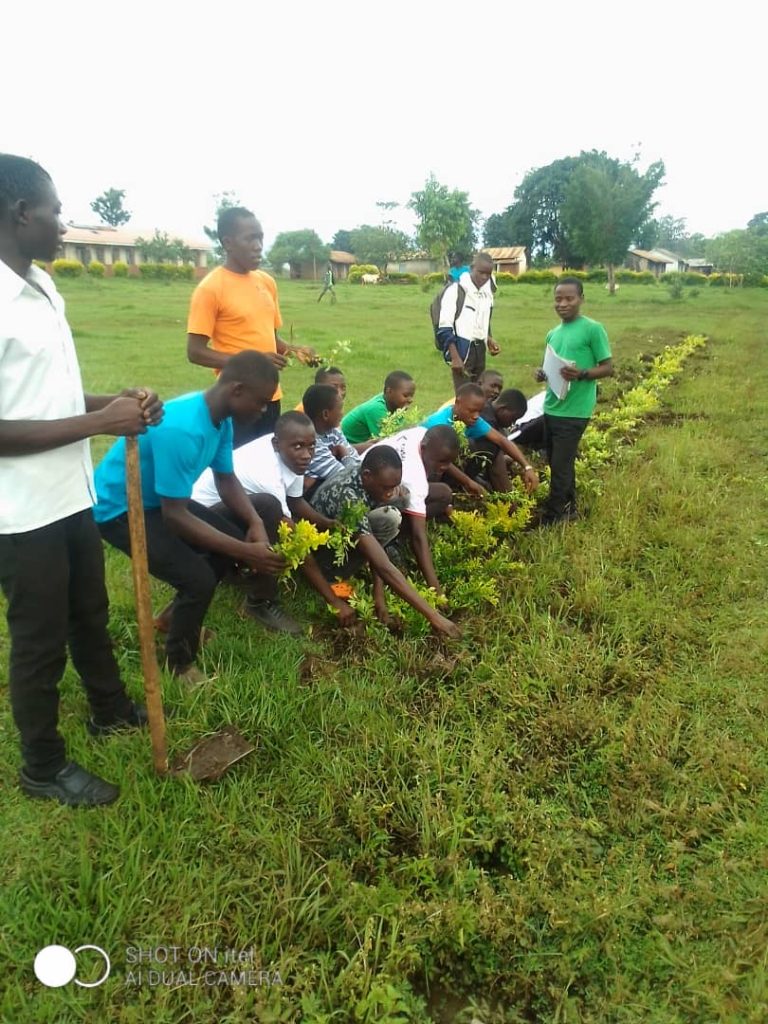
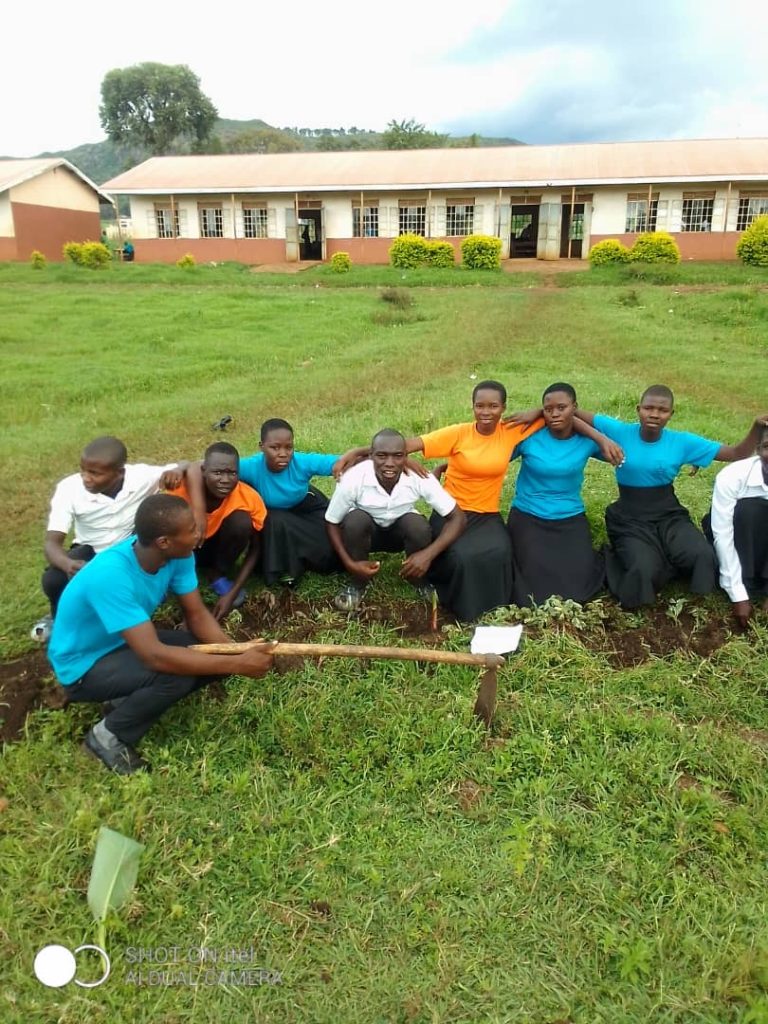
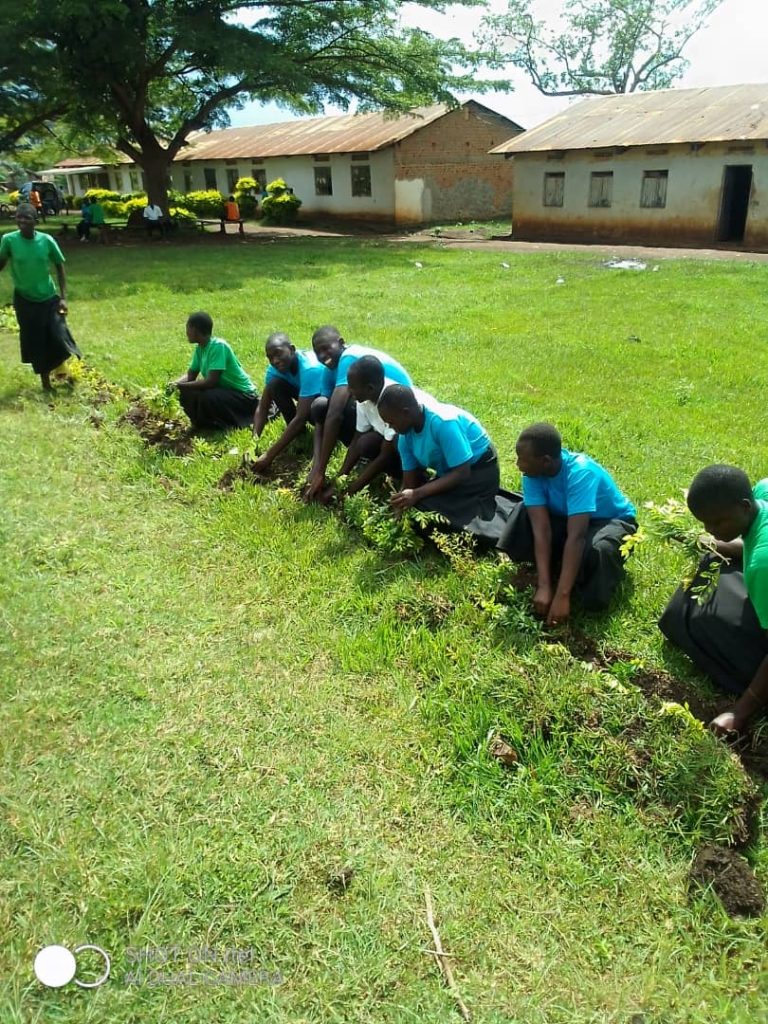
Tree planting and soil erosion management.

Climate change sensitization campaigns.

Psycho-social support and gender-based violence prevention.

Hygiene and sanitation education.

Promotion of energy-saving technologies.

Community mobilization for sustainable natural resource management.

The meeting aimed to:

Purpose of the dialogue meeting

Identify critical environmental, climate change issues and socio-economic challenges affecting households.

Gather community perspectives and indigenous knowledge on viable interventions.

Prioritize community-led project ideas that can attract development partner support.

Strengthen inclusive participation of women, young girls, youth, and vulnerable groups in local climate change adaption and action.

Key findings and situation analysis

Energy and Deforestation Crisis

Problem: Over 90% of households depend on firewood as their main source of cooking energy. Participants reported severe scarcity of firewood due to rapid deforestation, population pressure, and land degradation.
This has led to multiple interlinked problems:
โ€ข
Women and girls walking long distances to collect firewood, exposing them to sexual violence, harassment, and exhaustion due to hard labor.
โ€ข
Delayed meal preparation resulting in domestic conflict and gender-based violence.
โ€ข
Increased school absenteeism among girls who spend long hours collecting firewood.
โ€ข
Accelerated deforestation and carbon emissions, worsening the local climate crisis.
Community-driven solution:
โ€ข
Introduce an energy-saving cooking technologies project promoting clean cook stoves and briquette production.
โ€ข
Establish tree nurseries for reforestation and agroforestry integration.
โ€ข
Launch school-based environmental education campaigns to instill sustainable energy practices and climate change among pupils.

Limited Access to Safe Water

Problem: Most households lack access to safe and clean water, relying on unprotected springs and contaminated sources. Waterborne diseases are common, and women and girls bear the burden of walking long distances to fetch water, exposing them to health and safety risks like sexual abuse and gender-based violence.
Community-driven solution:
โ€ข
Implement a safe water for all Project constructing and rehabilitating protected water points and installing rainwater harvesting systems in schools and community centers.
โ€ข
Promote community-led water governance, sanitation and hygiene awareness to ensure sustainability.

Declining Agricultural Productivity and Food Insecurity

Problem: Erratic rainfall patterns, poor-quality seeds, and pest infestations have led to reduced crop yields and food insecurity. Most families practice subsistence farming and lack access to extension services, climate-resilient seeds, or pest control inputs.
Community-driven solution:
โ€ข
Launch a climate-Smart Agriculture Project to supply high-quality, drought-resistant seeds and training on sustainable farming practices.
โ€ข
Establish community demonstration farms and engage local youth as agricultural extension champions.
โ€ข
Support access to bio pesticides and eco-friendly pest management techniques.

Poverty and Lack of Financial Inclusion

Problem: High poverty levels, especially among women-headed households, limit access to farm inputs, education, and health services. Many families depend on unpredictable agricultural income and lack access to formal credit systems.
Community-driven solution:
โ€ข
Establish a women-led community village saving and loan group to promote financial inclusion, literacy, savings culture, and access to micro-loans for green enterprises.
โ€ข
Strengthen womenโ€™s leadership in community economic decision-making and link them to financial literacy training.

Climate Change, Landslides, and Environmental Degradation

Problem: The steep topography of Bumasifwa Sub-county makes it prone to landslides and soil erosion, especially during heavy rains. These disasters destroy homes, water sources, and farmlands, displacing families, undermining livelihoods and sometimes death of some people.
Community-driven solution:
โ€ข
Implement a community climate resilience and reforestation project promoting terracing, replanting of indigenous trees, and soil conservation.
โ€ข
Integrate indigenous knowledge with modern adaptation techniques.
โ€ข
Establish environmental clubs in schools to champion climate change adoption like tree planting and environmental conservation.

Community project prioritization

Through participatory ranking, community members identified the following priority projects for immediate support and implementation:

Rank Proposed Project Focus Area
01 Access to Safe and Clean Water Project Health, Gender, and Environmental Sustainability
02 Energy-saving Cook Stove Project Climate Change Mitigation and Gender Equality
03 Tree Nursery and Fruit Tree Planting Project Reforestation and Income Generation
04 School-based Climate Education Project Education, Awareness and School Children Engagement
05 Quality Seeds and Pest Management Project Food Security and Livelihoods
06 Women-Led Village Savings and Credit Project Economic Empowerment and Social Inclusion

Conclusion and way forward

The dialogue meeting revealed a community eager to take charge of its climate change adaption and environmental future but constrained by limited resources, technical skills, and exposure. The findings call for an integrated, gender-responsive community resilience project anchored on energy access, climate change adaption, climate-smart agriculture, environmental education, and sustainable livelihoods.

The Foundation for Sustainable Environment (FSE) seeks partnership, network, linkages and friends support to design and implement a multi-sectoral, four-year project that holistically addresses these challenges and strengthens the resilience of vulnerable households in Bunamahande Parish and surrounding communities in sironko district, Uganda.

FSE remains committed to working hand-in-hand with communities, government, and development partners to drive inclusive climate action and environment conservation protect Ugandaโ€™s natural heritage for generations to come.

Prepared by:

๐Ÿ”นCharles Wanziima Samuel

๐Ÿ”นExecutive Director for Foundation for Sustainable Environment

๐Ÿ”นContact: +25677443986